
Gathern / Host experience
Onboarding that
fits the property.
Host registration & onboarding
A clearer starting point. Relevant questions. More hosts completing on their own.
UX & UI design
Information architecture · Conditional flows

Independent registration completion
Pages in the journey
Self-service completion rate
Earlier assisted processHost Relations follow-up calls previously brought completion to approximately 40%. The revised experience reached approximately 60% without that intervention.
Figures are approximate and rounded to protect confidential business information.
How to read the numbers
The 10% and 60% figures describe independent completion before and after the redesign. The earlier 40% figure includes human follow-up and is shown separately. The approximate 6× ratio is calculated from 60 ÷ 10; it is not a separate measurement or a count of hosts. Page counts describe the simplified journey; the screens encountered depend on the selected property and spaces. No test sample size or measurement period is disclosed.
01 / Understanding the friction
Length was only part of the problem.
Reviewing where hosts left the journey exposed three opportunities: the timing of sensitive requests, the language of setup, and the relevance of the questions.
Trust before identity
The opening step had the most drop-off. Asking for identity confirmation before hosts understood the platform created an early barrier.
A clearer mental model
Moving between “property” and “unit” required extra explanation. A single starting concept — register a property — made the task easier to frame.
Questions that apply
The earlier sequence took hosts through sections even when they were not relevant. Early answers could do more to shape the remaining work.
My design decisions focused on sequencing, terminology and conditional information collection, while retaining the essential information needed to register a property.
02 / Resequencing the start
Start with the property.
Verify identity later.
I moved identity confirmation to the end of the journey and gave hosts a concrete starting task: name and classify their property. Verification remained part of the process, with a different place in the sequence.

One concept to begin with
“Property” became the entry point, reducing the need to explain property-versus-unit structure before a host could get started.
Keep the requirement. Change the timing.
Moving identity later addressed the early barrier while keeping the verification requirement in the journey.
Identity confirmation Property setup
Property setup Relevant details Identity confirmation
Retrospective sequence map explaining the change in timing. Identity confirmation remains part of onboarding.
03 / Conditional onboarding
Ask what exists.
Then ask for its details.
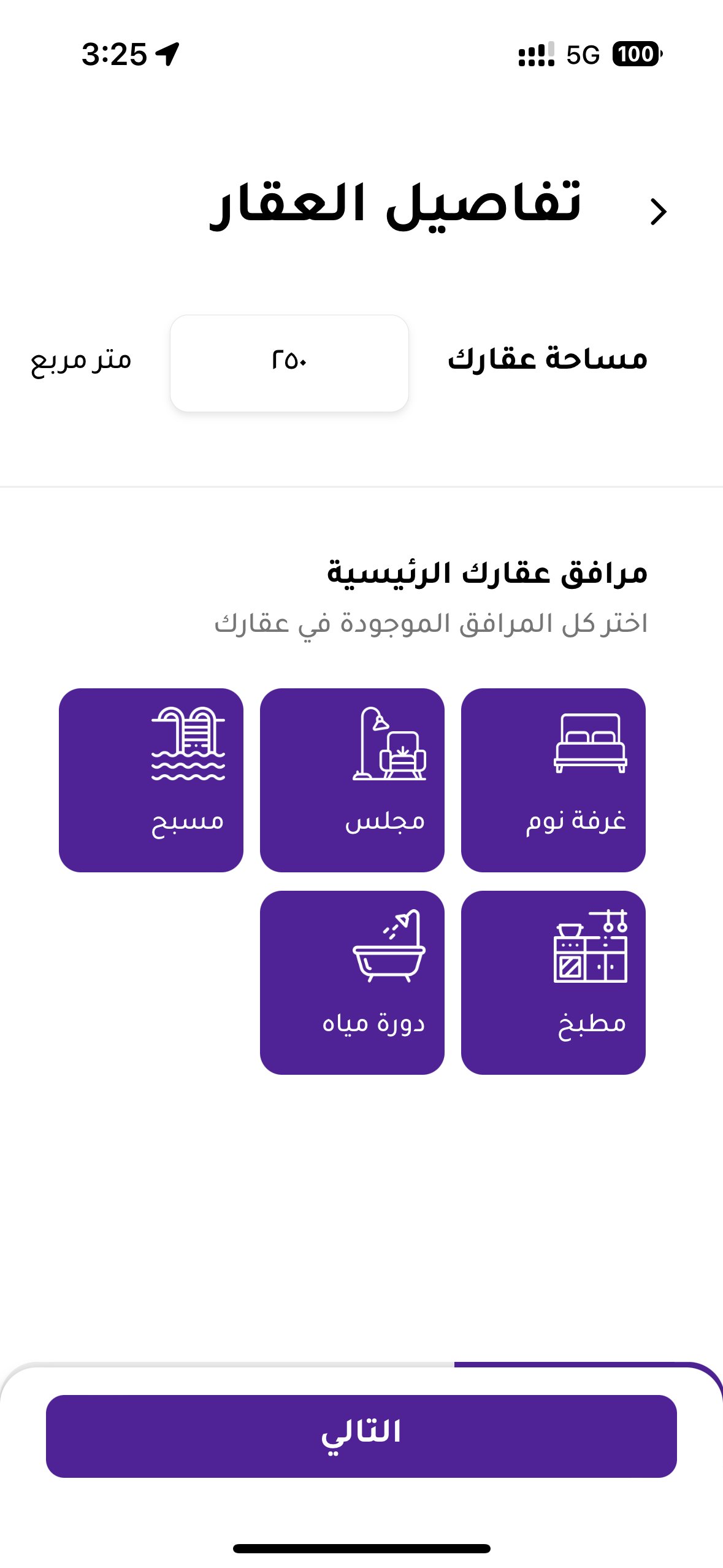
Property type and selected spaces shaped the next steps. An apartment with a bedroom, kitchen and living room needed details for those spaces, without unrelated sections becoming extra work.
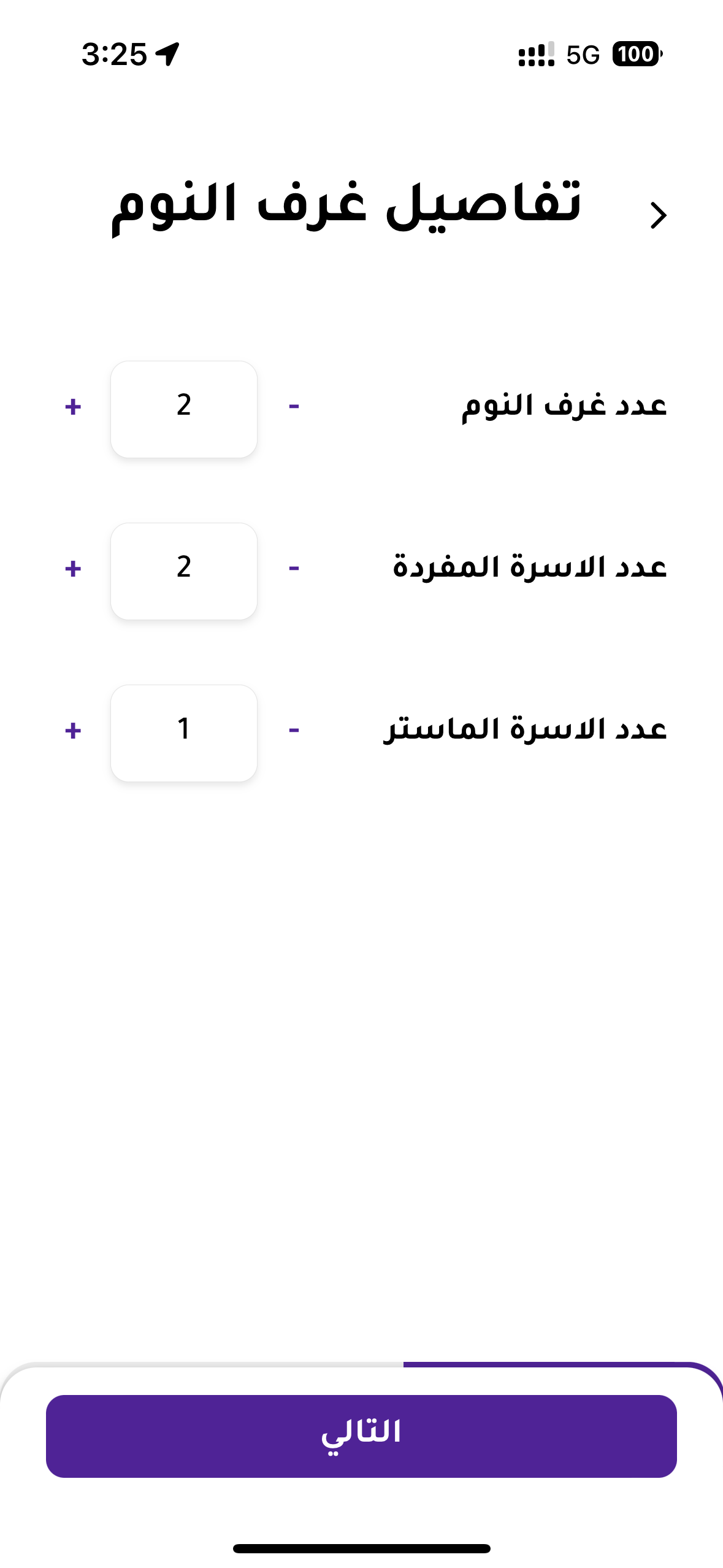

Captured example: several spaces are selected. Each selection determines which detail steps follow.
See how bedroom setup changed

Structural changeApproximately 17 pages became 7, retaining essential information and letting the selected property shape the path.
04 / A clearer finish
Make missing information visible.
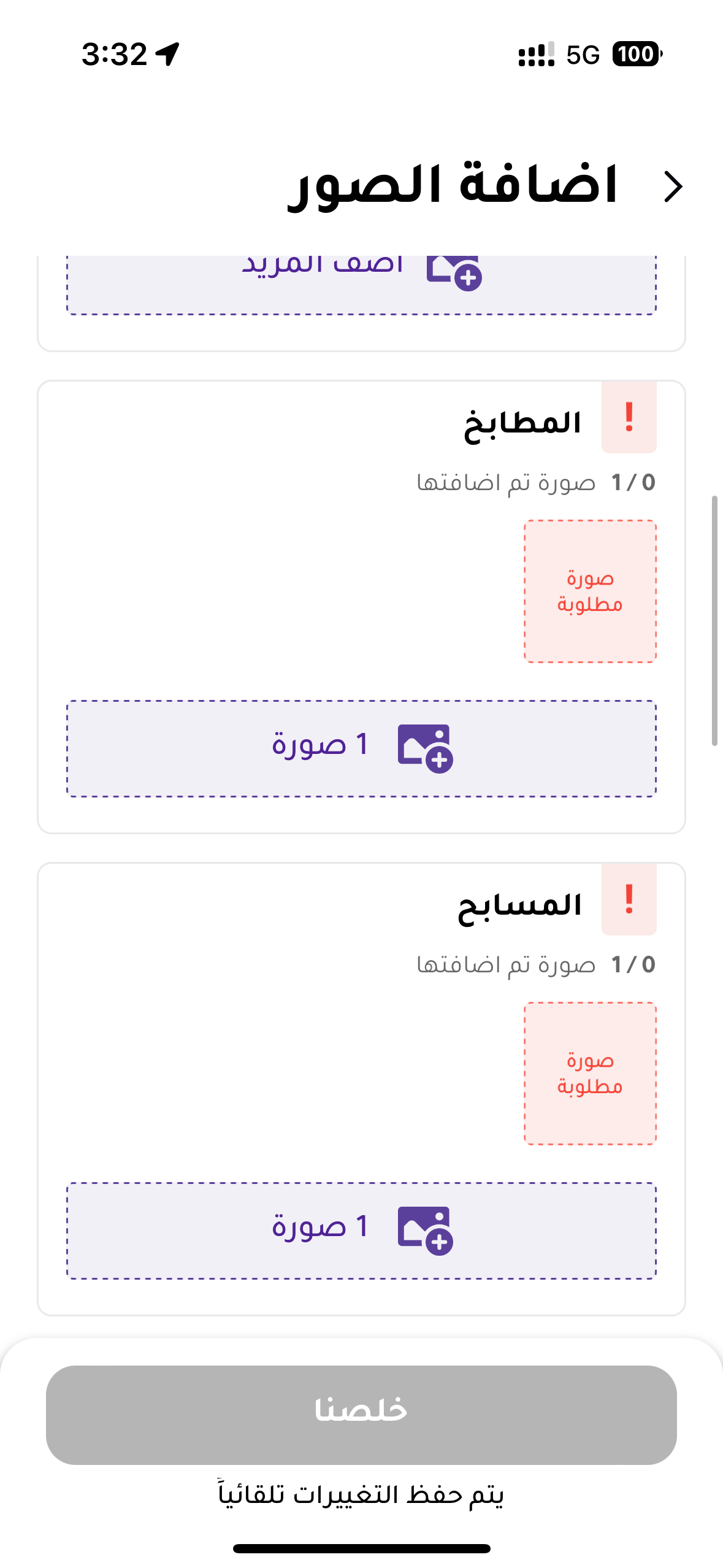
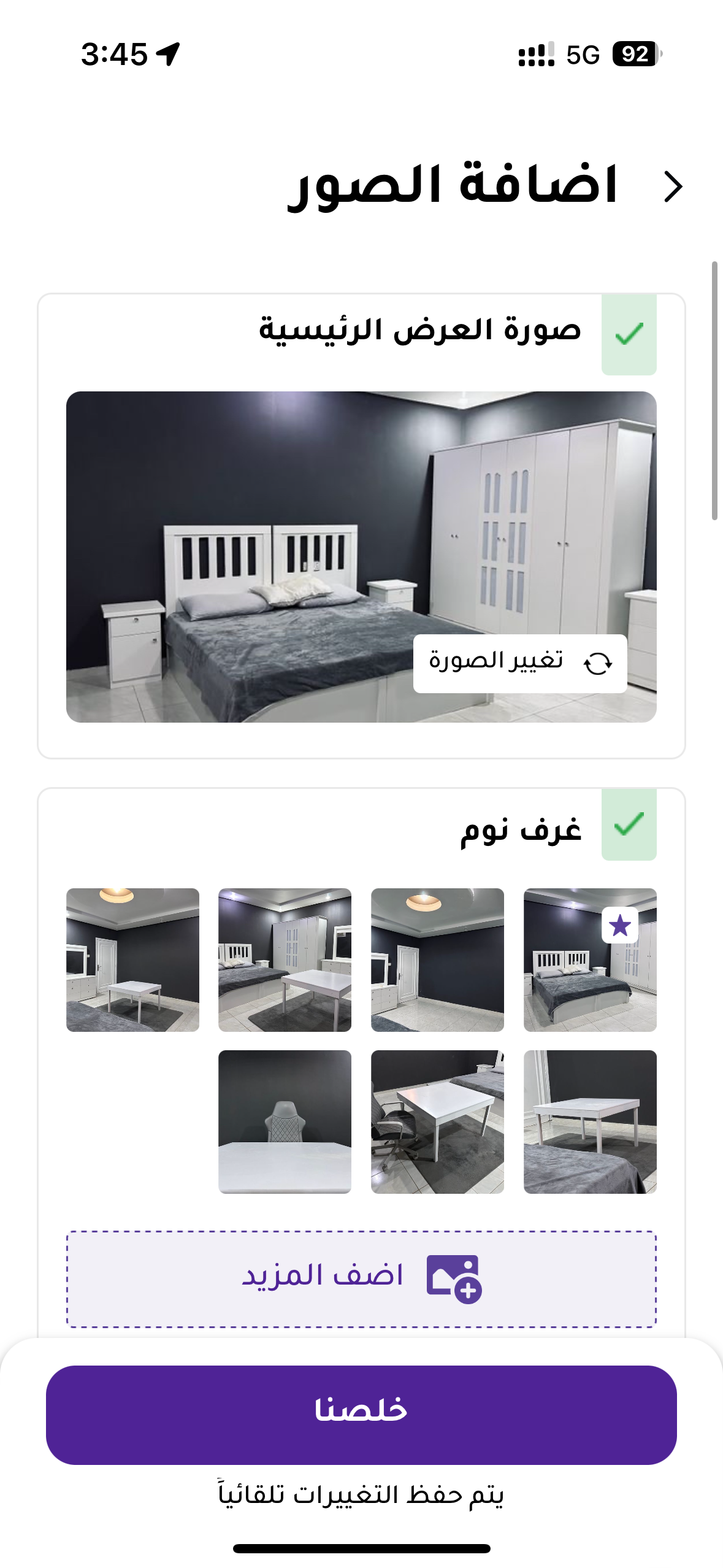
The photo stage carried the same property context forward: a main image and photos for the selected spaces. Hosts could see what was needed, where a category was incomplete, and when they could finish.

05 / Reported outcome
More hosts could
finish on their own.
After rollout, independent registration completion reached approximately 60%, compared with approximately 10% in the earlier experience.
The earlier process reached around 40% with Host Relations follow-up calls. The redesigned journey supported a higher completion rate through self-service.
The improvement came from asking the right question at the right moment — and only when it applied.
Approximate, designer-reported before/after figures. The outcome reflects the combined redesign; the contribution of each individual change is not isolated.